
Giving With A Cheerful Heart
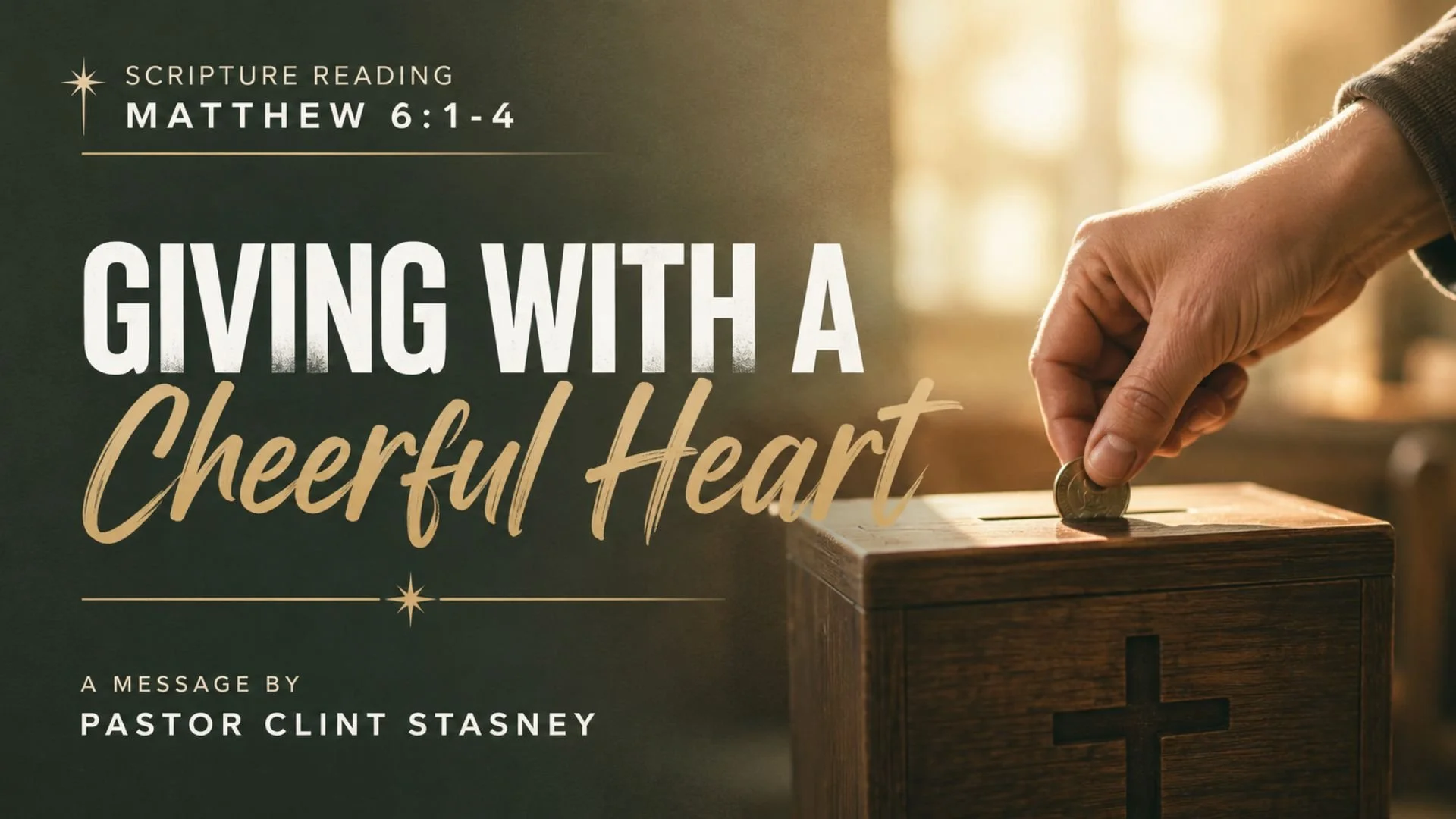
The Heart of Giving: Learning to Trust God With Everything
Money. It's one of those topics that makes people squirm in their seats, shift their eyes, and suddenly become very interested in their shoes. Yet it's a subject that Jesus addressed frequently—not because God needs our resources, but because our relationship with money reveals the true condition of our hearts.
The Uncomfortable Truth About Our Resources
Here's a reality check that might sting a little: God has been running the universe since before time began, and He's never needed a single penny from anyone. He doesn't need our money today, and He won't need it tomorrow. So why does Scripture place such emphasis on giving?
The answer is both simple and profound: giving is about faith and trust.
Second Corinthians 5:7 reminds us that "we walk by faith, not by sight." Yet how often do we trust Jesus for eternity but refuse to trust Him with our present circumstances? We'll believe Him for our salvation but clutch our wallets when it comes to our daily needs. This disconnect reveals something significant about where we've truly placed our faith.
The Paradox of Generosity
Proverbs 11:24-25 presents us with a paradox that defies worldly logic: "There is one who scatters and yet increases all the more. And there is one who withholds what is justly due, and yet it results only in want. The generous man will be prosperous, and he who waters will himself be watered."
This isn't about prosperity gospel theology or name-it-and-claim-it promises. This is about a fundamental principle of God's kingdom: when we give generously, God blesses us. Not always financially, but in ways that meet our deepest needs.
Consider the story of R.G. LeTourneau, a man who became extraordinarily wealthy through his innovative earth-moving equipment. What set him apart wasn't just his business acumen—it was his heart. He lived on 10% of his income and gave away 90% to Christian ministries. Bible colleges received millions for dormitories and programs. But here's the key: he gave generously even when he had nothing. His giving didn't start when he became wealthy; his wealth came because he had already cultivated a generous heart.
We tell ourselves lies: "If I had more money, then I'd give to God." But the truth is stark and uncompromising—if you don't give when you have little, you won't give when you have much. Jesus taught this principle with the parable of the talents. Faithfulness with little precedes blessing with much.
The Widow's Mites and Modern Misconceptions
In Mark 12:41-44, Jesus observed people giving at the temple. The wealthy Pharisees made a show of their large contributions, bags of money clanking loudly for all to hear. Then a poor widow quietly approached and dropped in two small copper coins—worth less than a penny.
Jesus' assessment shocked His disciples: she had given more than all the others combined.
How could this be? Because she gave everything she had. She trusted God completely with her survival. The wealthy gave from their surplus; she gave from her substance. They gave to be seen; she gave in secret worship. They received the praise of men; she received the commendation of God.
This story demolishes our excuses. We can't claim we're too poor to give to God when a destitute widow gave her last coins. The issue isn't the amount—it's the heart.
Giving in Secret, Rewarded Openly
Matthew 6:1-4 addresses not just the act of giving, but the motive behind it. Jesus warns against practicing righteousness to be noticed by others. When we give, we shouldn't sound trumpets or plaster our names on plaques. Those who do have already received their reward—the fleeting praise of people.
One powerful example comes from a church that displayed an expensive organ. While other donated items bore plaques with donors' names, this organ had a simple inscription: "This is to be used for the honor and glory of the Lord Jesus Christ." No name. No recognition. Just worship.
That anonymous giver understood something profound: eternal rewards far outweigh temporal recognition. They gave for an audience of One.
Real Stories, Real Faith
Sometimes the most powerful testimonies come from moments of radical trust. Imagine having only twenty dollars to your name—money desperately needed for food and bills. Then sitting in church and hearing about a missionary's need. That twenty dollars goes into the offering plate, leaving you with nothing.
Foolishness? Perhaps by worldly standards. But by kingdom standards, it's faith in action.
What happened next? Every single meal that week was provided through unexpected dinner invitations. Bags of groceries appeared on the doorstep. Not just survival, but abundance—and all because of obedience in giving that twenty dollars.
Or consider the missionary who needed to purchase a multi-million dollar property in Hong Kong for an orphanage. After speaking at numerous large churches and receiving nothing but promises to pray, he received a letter from a young girl. She had heard about the need and decided to give her ice cream money—one dollar.
Initially frustrated, the missionary eventually presented the offer: one dollar for a multi-million dollar property. The owners, moved by the child's sacrificial heart, sold the property for that single dollar. Since 1971, that facility has ministered to hundreds of thousands of orphans and led countless people to Christ.
A child's ice cream money became a kingdom investment with eternal dividends.
The Challenge Before Us
Being a good steward doesn't mean being gullible. Wisdom dictates we shouldn't enable destructive behavior. Buying food for someone who asks is different from handing cash to someone who'll use it for drugs or alcohol. We can be generous and discerning simultaneously.
But we cannot be generous and stingy simultaneously. We cannot claim to trust God while hoarding every resource. We cannot say we follow Christ while ignoring His clear teaching about generosity.
The question isn't whether God needs our money—He doesn't. The question is whether we trust Him enough to obey. Will we be funnels of blessing or dams of hoarding? Will we walk by faith or by sight?
Your checkbook, bank statement, and credit card records tell a story about what you truly value. What story are they telling?
God invites us into the adventure of radical generosity, where we discover that we cannot outgive Him, where our faith grows stronger through each act of obedience, and where we experience His provision in ways that defy explanation.
The choice is ours: clutch tightly to what we cannot keep, or give freely from what was never ours to begin with.
It all comes down to a matter of the heart.
How does the story of the widow's two mites challenge our modern understanding of what it means to give sacrificially to God?
The pastor argues that if we cannot give with little, we will not give with much. What does this principle reveal about the relationship between faithfulness in small things and God's blessing in larger matters?
In what ways might Christians today be practicing their righteousness to be noticed by others rather than giving in secret as Jesus commands in Matthew 6?
How does the story of the missionary who purchased a multi-million dollar property with one dollar demonstrate the power of childlike faith and obedience?
What is the difference between biblical generosity and the prosperity gospel's name-it-and-claim-it theology, and why is this distinction critical for healthy Christian stewardship?
The pastor shares multiple personal testimonies of God providing after he gave sacrificially. How do these stories challenge or encourage your own approach to trusting God with your finances?
Why do you think Jesus connects giving practices directly to heart issues rather than simply establishing rules about percentages or amounts?
How does the practice of putting donor names on plaques and buildings potentially rob givers of their eternal reward, according to the sermon's interpretation of Matthew 6?
The sermon emphasizes being a good steward by feeding the hungry rather than giving cash to strangers. How do we balance wise stewardship with spontaneous generosity when the Holy Spirit prompts us?
If everything we have truly belongs to God rather than ourselves, how should this reality transform not just our giving but our entire approach to possessions, career decisions, and financial planning?